






It’s 2026 in the Bronx, the poorest congressional district in the United States. Violence and the negative effects of poverty are never far from our school. Immigrant families and just about anyone with brown skin are living in fear of ICE raids. And the AMS community has mourned two teachers and one student in the last two years. It’s not surprising that many students at AMS are suffering from psychological problems. However, when one feels unsure about where to seek help or thinks that there is no help to be offered, there is still much that can be done.
The mental well-being of young adults is deteriorating quickly. A WHO report says “one in seven adolescents aged 10-19 experiences a mental disorder, and depression, anxiety, and behavioral disorders are common factors causing sickness and disabilities in this age range.”
One factor responsible for this crisis is the pressure that adolescents experience daily. Academic pressure, worry about the future, and family pressure all come together and lead students to burn out. Furthermore, social media has made things even harder. According to a report in the Washington post, many teens claim that social media affects them negatively when it comes to their mental well-being, particularly their confidence, sleep, and anxiety.
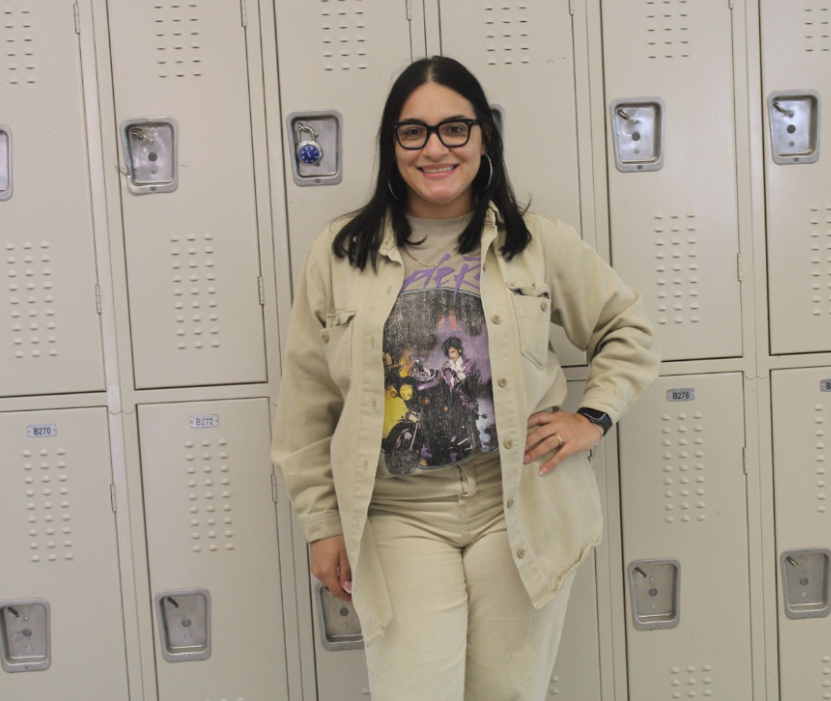
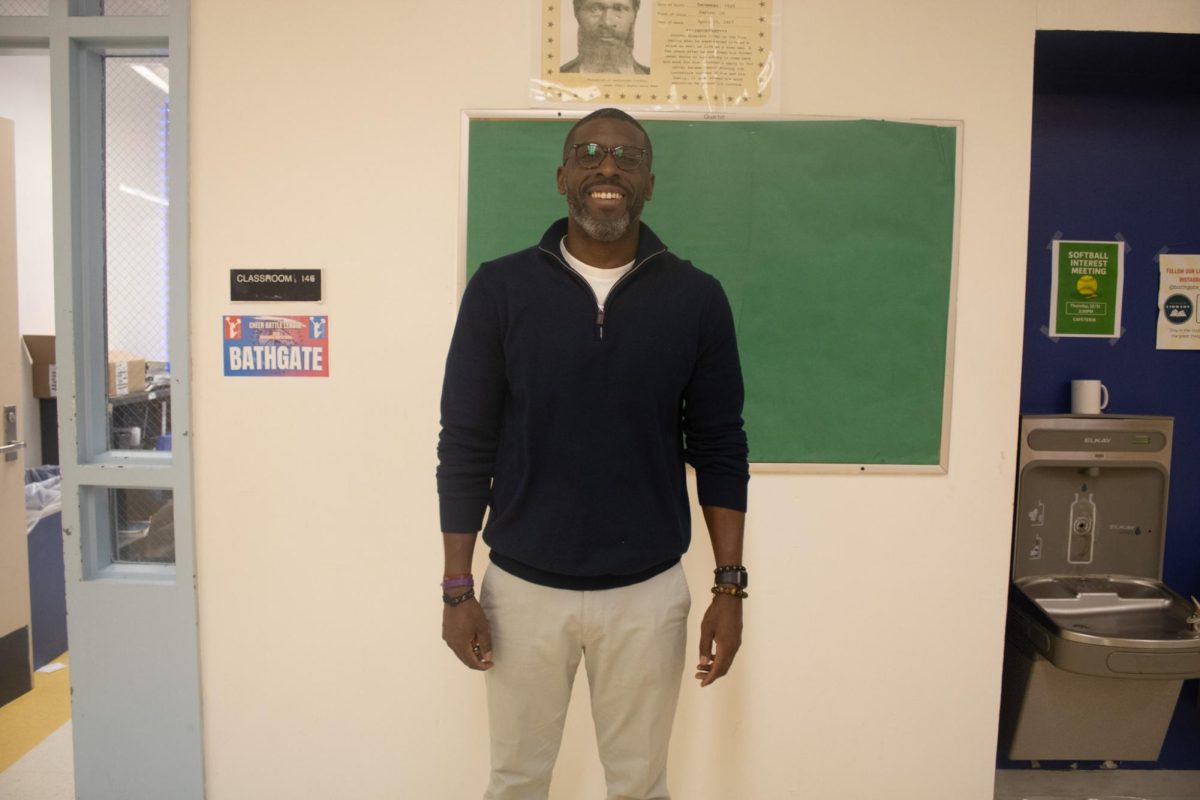
Mental health problems are common in our school. Guidance counselors Nicole Ayala and Merc Rojas are witnessing them firsthand. When asked how the mental well-being of the students has changed in recent years, Rojas replied, “I noticed that students are more likely to talk about mental health and are willing to ask for therapy, but sometimes not.” She claims the COVID pandemic has exacerbated problems and caused students to avoid school and school work.
Ms. Ayala said the fear of being judged can cause students to stay silent about their problems, such as “parent, sibling, pees problems, fights, disliking somebody.” When asked whether students tend to bottle up emotions, Rojas stated, “They usually keep some things to themselves since they don’t want anyone to see them as different.”
Two seniors provided firsthand accounts of their experiences with mental health; we will call them X and Y. “Right now, my mental state is pretty down the drain, because I feel like there is too much work and expectations on me,” said X. Furthermore, she stated that academic stress is always a major source of anxiety since it might affect her future.
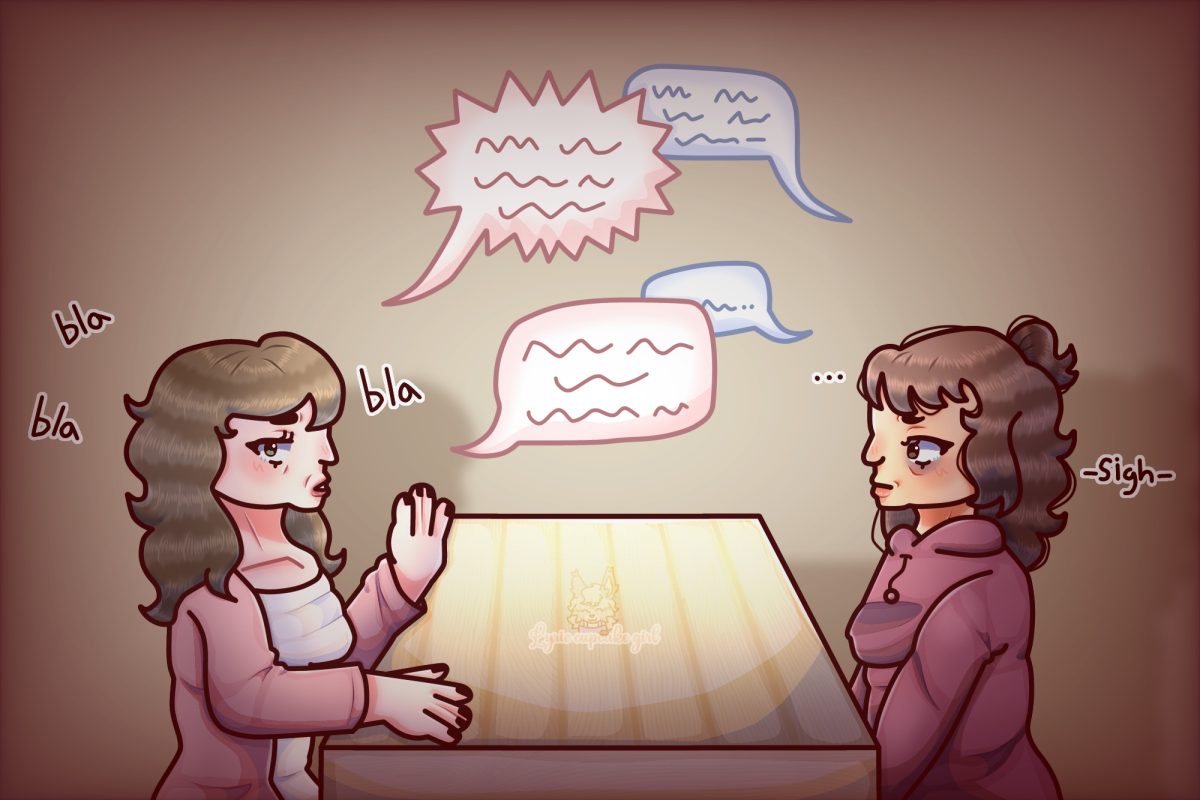
Similarly, Y pointed to social and academic struggles. “I suffer from depression and anxiety,” she said. “It just messes up my mental health because people keep involving me in drama.” She said the most significant pressure was school, since it would affect her future. Yet she has not sought help. “I don’t really feel comfortable asking,” she said, “Adults do a lot of talking, but not a lot of listening.”
This shows two big reasons why students don’t ask for help: they’re scared of being judged, and they feel like adults won’t really listen to them. Nevertheless, the help is there. Counselor Rojas stressed that one must be able to speak out and ask for assistance. She remarked, “I encourage students to speak up when they feel like they are overwhelmed,” and added that effective communication between students and staff is crucial. Furthermore, she pointed out that students could contact mental health services outside the school system if they feel uncomfortable asking for help at school.
If you’re an adult working with young people, please know: students aren’t always looking for answers; they just want to feel understood. Listening is more important than giving these kids lectures. Try to ask questions and understand where they’re coming from, instead of making assumptions. Even if you have more life experience, that doesn’t mean a teen’s situation feels any less real or difficult than it is.
And if you’re a student, it might not always seem like it, but some adults actually want to listen and help you. You won’t be judged for speaking up. I know asking for help can feel scary, but it’s a step toward feeling better, and you don’t have to go through hard times alone.
I know what it feels like to struggle in silence. I often turn to writing music, but sometimes what I need is another person to turn to. To every student reading this, you are not alone. It is okay to struggle. It is okay to ask for help. You do not have to have everything figured out. Your feelings are valid, and you deserve to be heard.
Resources for Support
If you or someone you know is struggling, here are some recommended places you can go for help:
- School guidance counselors (like Ms. Ayala or Mr. Rojas)
- Trusted teachers or school staff
- Parents or family members
- 988 Suicide & Crisis Lifeline (call or text 988)
- Crisis Text Line (text HOME to 741741)
- National Alliance on Mental Illness (call 1-800-950-6264)
- Domestic Violence Hotline: 1.800.799.SAFE (7233)
- Astor Services (counseling in several Bronx locations): (845) 871-1000