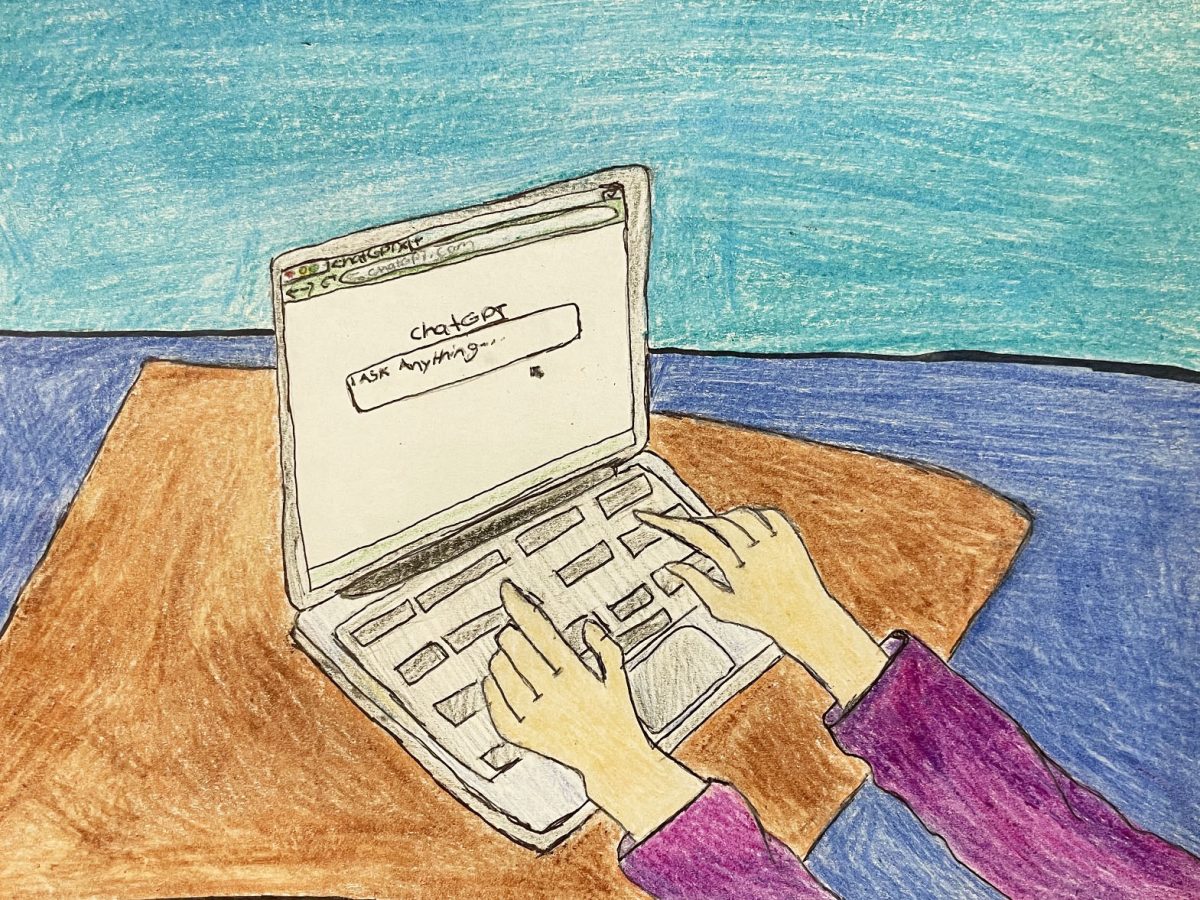











In our world today, AI is becoming a popular tool that many people use for daily tasks, including writing emails, researching, generating content, and many other tasks. It has also become very popular in schools, with teachers and students partaking in the use of it. We created a survey asking staff about their feelings on AI and their experience with their use of it, and here is what we found.
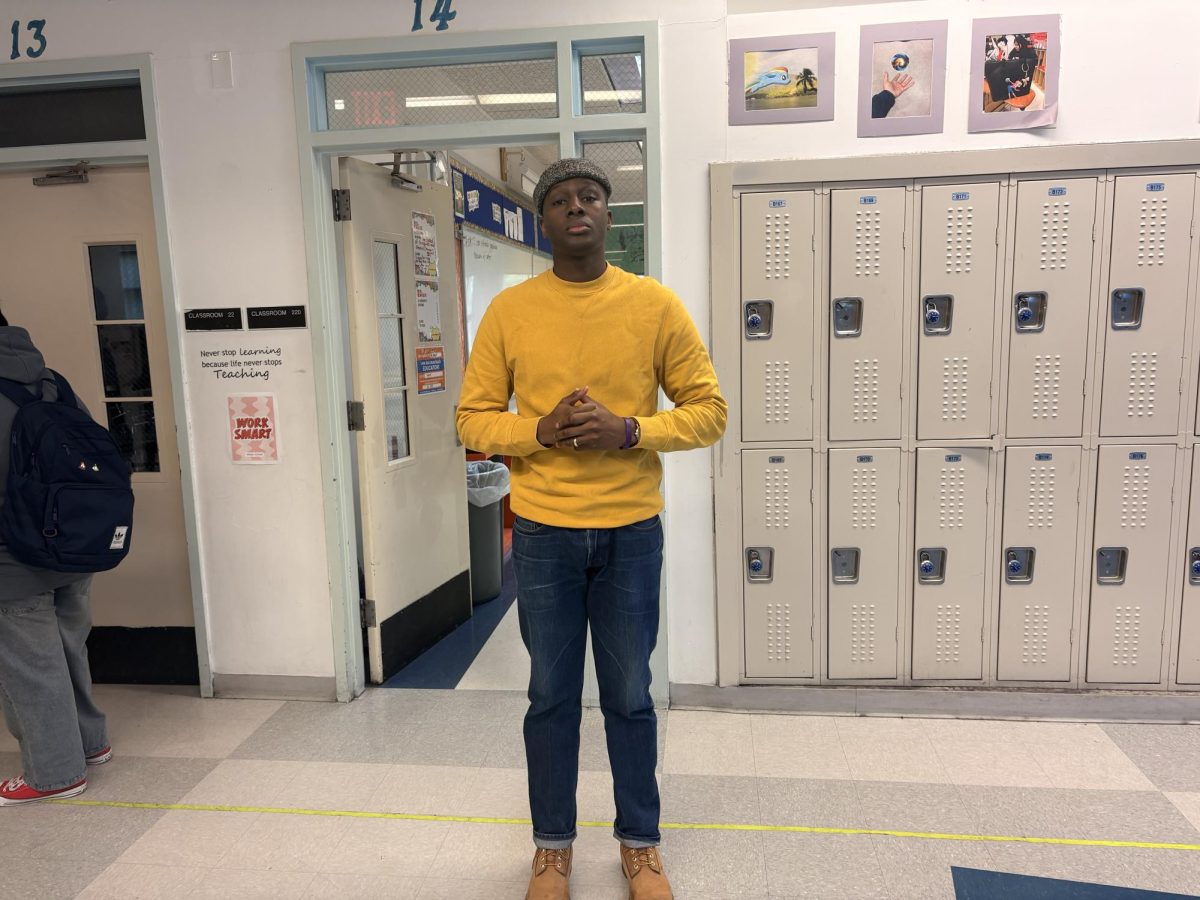
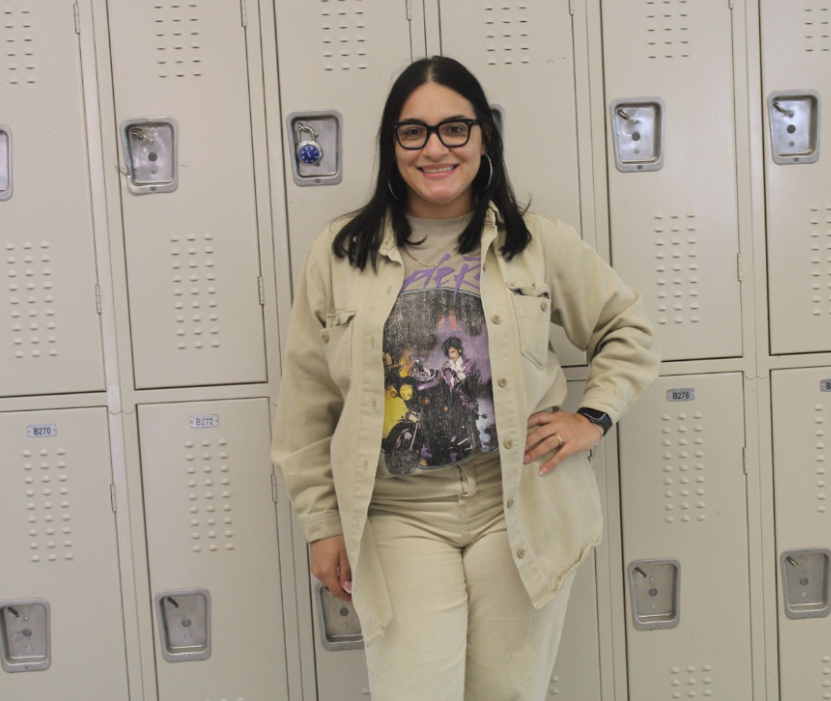
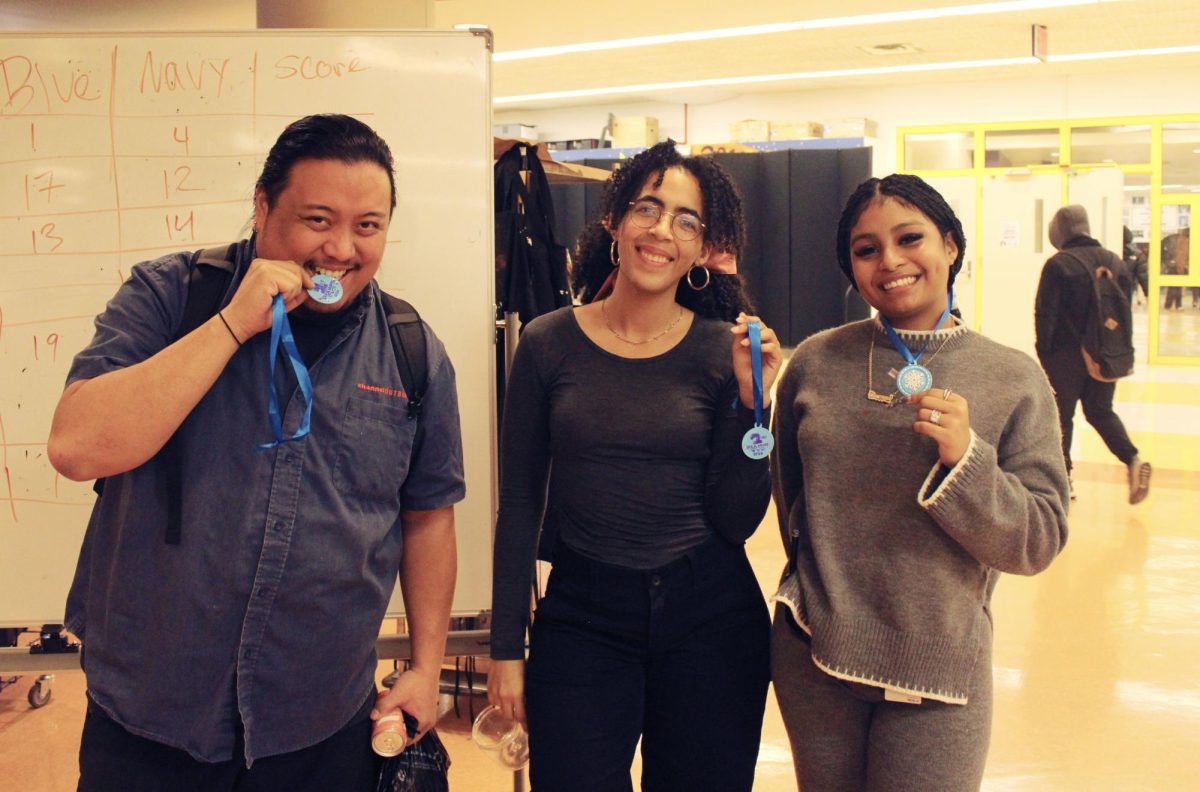
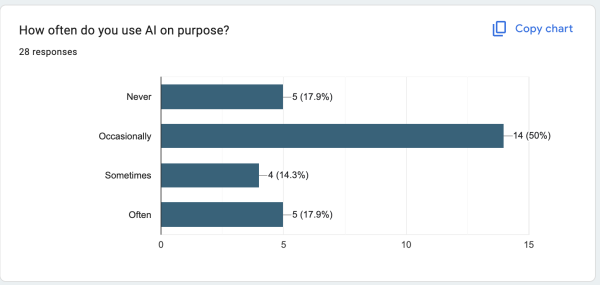
Out of roughly 100 staff in AMS, 27 responded, with 14 giving their names and 14 answering anonymously. According to the survey, 50% of teachers occasionally use AI on purpose, for varying tasks. Some stated “AI saves me a lot of time, sometimes when I use it to reword emails or put my thoughts down and AI generates an email for me.”. Ms. Leshinsky, our school librarian, wrote, “I use it to transcribe audio, translate class materials to other languages, and remove backgrounds from images in Canva. I would never use it to do something that requires thinking or creating new things.” The same number of staff members (17.9%) never use AI on purpose as use it often. An anonymous respondent said they use it to find resources for lessons and create activities tailored to specific content. Ms. Deen, an ELA teacher, on the other hand, said, “I like to think for myself, rather than let AI do it for me.”
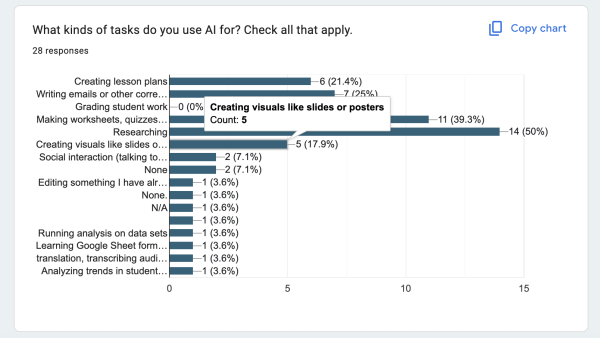
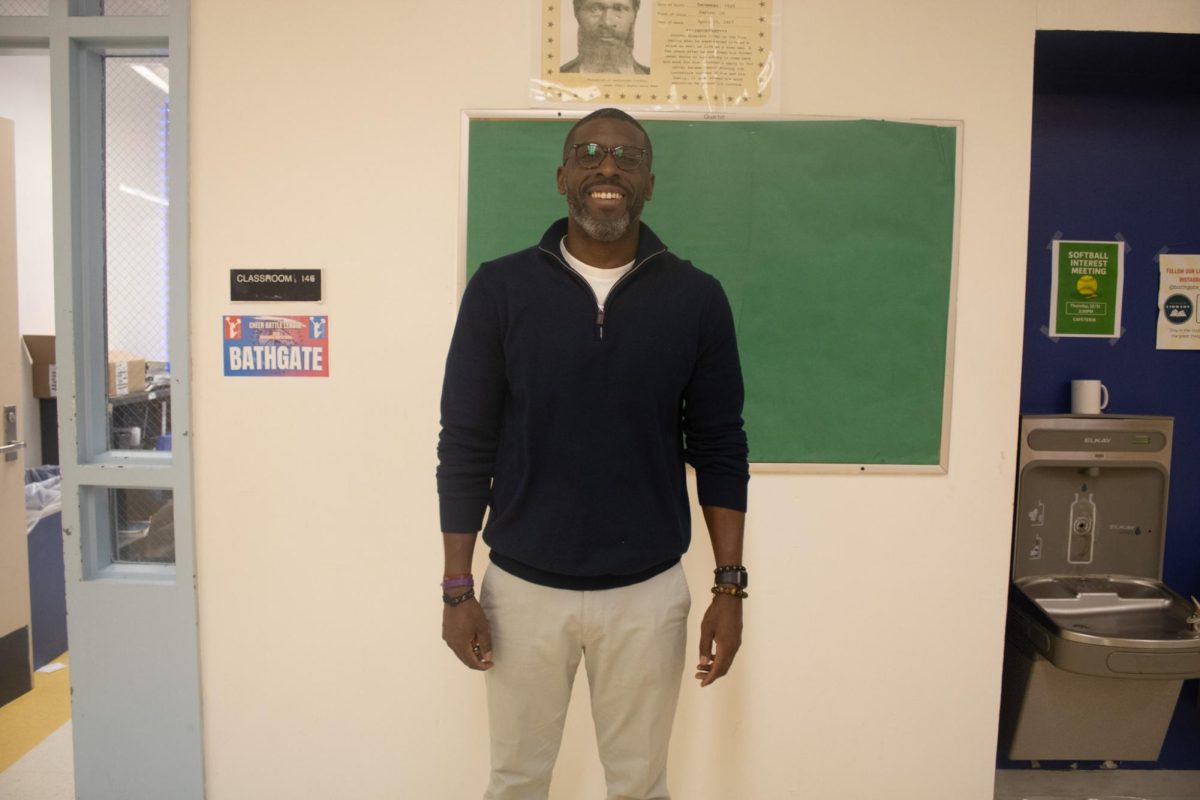
Staff mostly use both types, generative and analytical AI, but for what? Half of the respondents said they use AI for research (50%), while making worksheets, quizzes, and answer keys came in second (39.3%). There were mixed responses on the teacher’s feelings on AI. Some affirmed its inevitability, such as an anonymous teacher who said it’s the future whether we like it or not, while ELA teacher Mr. Chodan said, “I am troubled by the use of AI, particularly when people rely on AI without understanding or checking the output for accuracy. I fear that over-reliance will incentivize people to take shortcuts in their education, which could eventually “dumb down” society.”
Overall, out of 27 staff members who took the survey, half took it anonymously. We are aware that the survey is vulnerable to self-selection bias, both in terms of who took the survey and whether they answered anonymously. The teachers that weren’t anonymous were mostly teachers in the Humanities, teaching ELA, History, Spanish, and Film. This group also showed the most AI skepticism. Even as this small survey collected staff’s feelings about AI, it is not only them that have feelings about it. Students, parents, and many other individuals may have their own opinions on it, which we intend to report on in the future.