













Technology isn’t just for texting friends or playing games anymore, it’s being used in real wars. In one recent shocking example, a girls’ school was bombed, and people questioned whether artificial intelligence helped choose the target. That sounds like something from a science fiction movie, but it is happening in real life. The same technology we use every day could now be connected to life-or-death decisions. Because of this I think we need to pay closer attention to how technology is being used and who is benefiting from it.
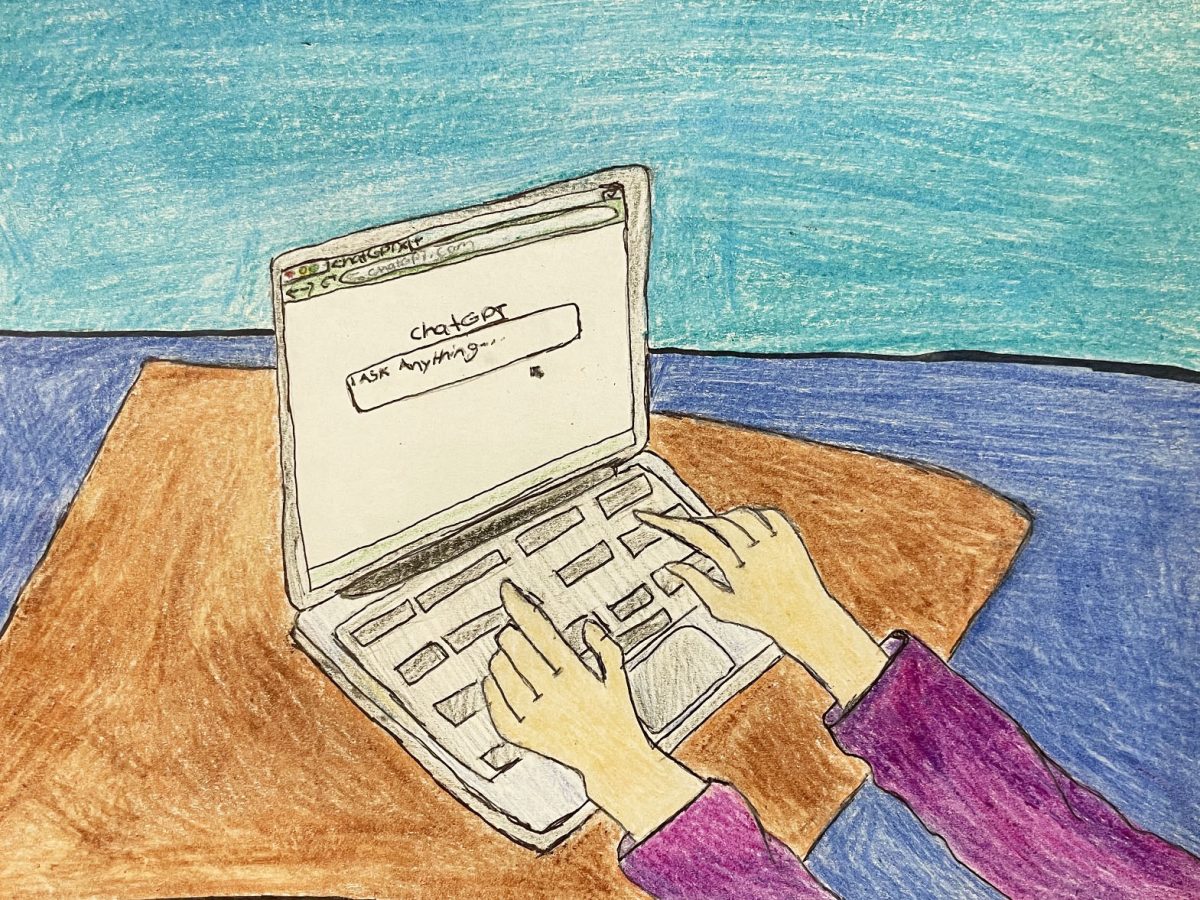
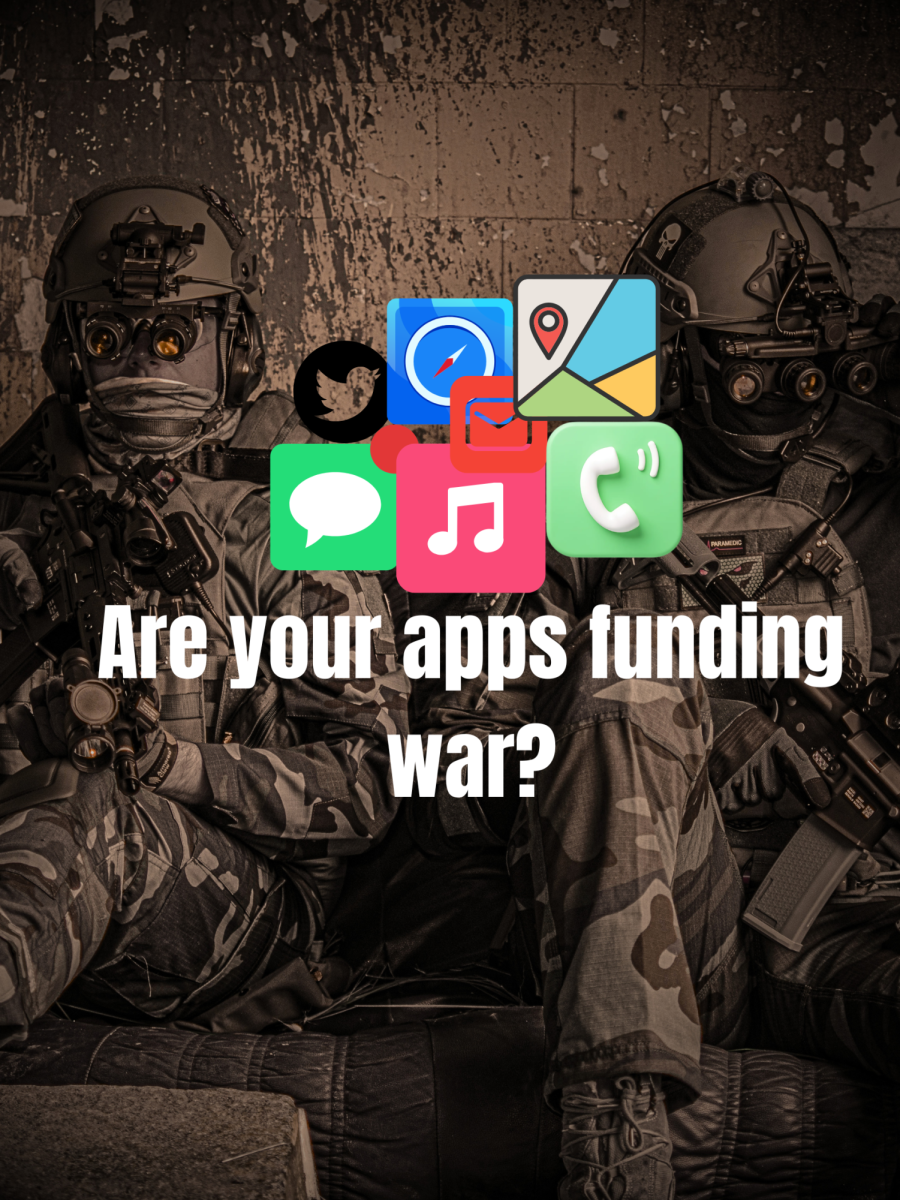
Many technology companies are now working closely with the military. According to the Carnegie Endowment for International Peace, tech companies provide the military with tools like AI, cloud computing, and data analysis. Social media platforms like TikTok, X, Facebook, and Instagram, which we all use to stay connected and share news, also provide technology for soldiers and commanders to process open-source data. It surprised me that even tech companies outside the defense industry are becoming involved. For example, Daniel Ek, the CEO of Spotify, invested 600 million euros into Helsing, a company that creates AI software for militaries. Their technology helps analyze battle situations and plan military operations such as identifying possible targets, tracking troop movement, or helping coordinate airstrike or drone surveillance .
Even regular apps that seem harmless can affect wars by spreading information quickly and shaping what people believe. In one example, AI programs have reportedly been used by the Israeli military to help analyze targets in the Gaza Strip. It concerns me to hear about the use of AI in places like theGaza Strip, how powerful these tools have become, and how easily mistakes can affect innocent people.The use of AI in the Gaza Strip has hurt millions and killed normal civilians.
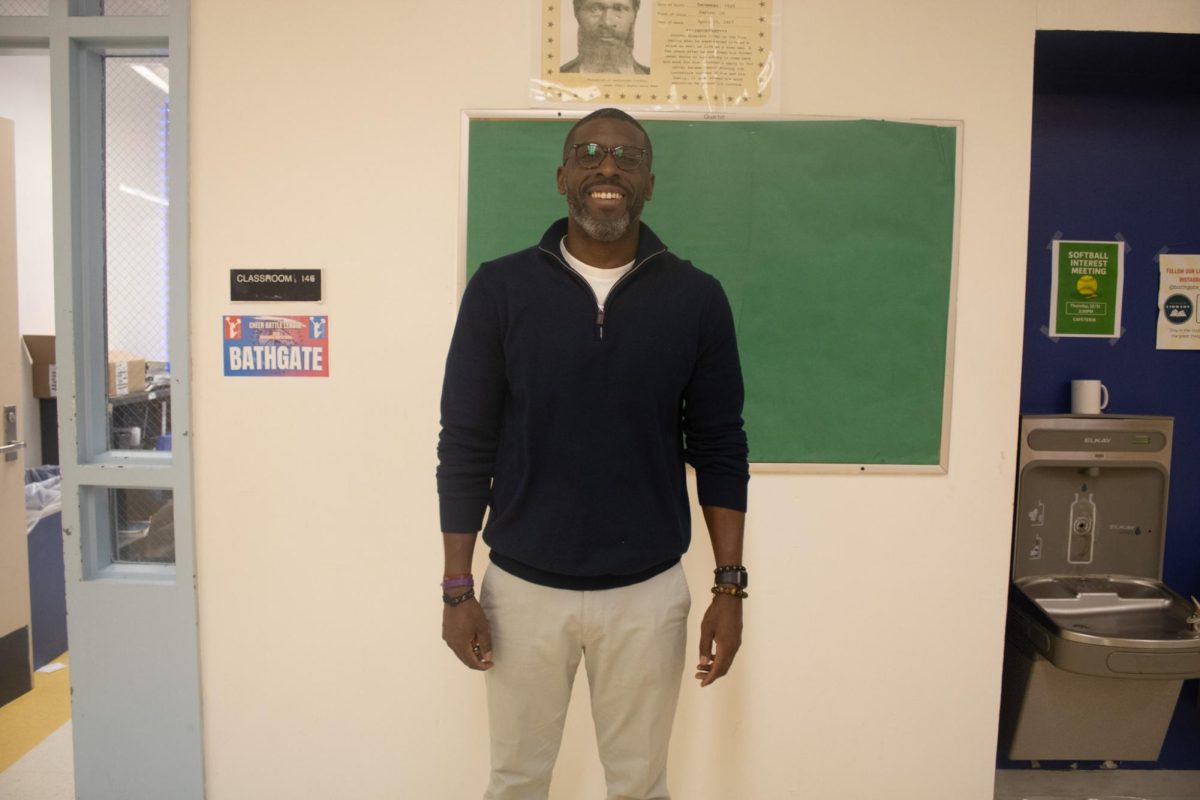
One major argument in favor of AI in warfare is that it could make military operations more precise and reduce risks for soldiers, according to Mr Padalino. He explained AI could possibly help make warfare more accurate by helping armies identify targets more precisely, detect dangers faster, and avoid attacking the wrong locations. and even reduce the number of soldiers fighting. He said that if AI systems were carefully supervised by humans, they might help avoid mistakes and make soldiers safer. For example, AI could help soldiers detect dangers faster or give them information during battle. However, he also warned that AI becomes dangerous when too much trust is placed in machines instead of people. He said he worries there may not always be enough human oversight, and that could lead to terrible mistakes.
I agree with this concern because I do not fully support the use of AI in warfare when human lives are involved; at the same time I recognize that many of the apps and technologies people use everyday may help fund or support these systems in some ways that share and voice our opinions like through peaceful protests like boycotts that can help spread awareness with apps that provide tech to militaries. Governments and companies only care about being funded rather than the wants of everyday people. This is why boycotts work amazingly.
But as a teenager, it would be very difficult to completely stop using popular apps because they are such a big part of communication, school, and everyday life. When I asked Mr. Padalino whether he would boycott apps connected to AI warfare, he said it is difficult because AIi tools are already helping people learn and work faster.However, he also said that if a company was doing something extremely unethical, he would consider boycotting it. I agree with that idea. I do not think I would delete apps like Spotify or Instagram immediately, but learning this information definitely changes how I think about companies I support. I think people should research where their money and attention go instead of ignoring these issues.
In conclusion technology companies may not be on the front lines of war but their tools, apps, and investments are becoming part of modern day warfare. AI, social media, and data collection are changing the way wars are fought and that raises serious ethical questions. My call to action is simple: I will stay informed about apps that I use like making sure I keep up with the news. Totally detaching from these apps is a commitment that I am not ready for at this moment, but I can definitely limit my time. If things with AI become more extreme, such as conflicts that can potentially wipe out whole nations, I might reconsider my position. To stay informed, students should follow the news and keep up with developments in military tactics. They should also pay attention to how these developments affect civilians every day.